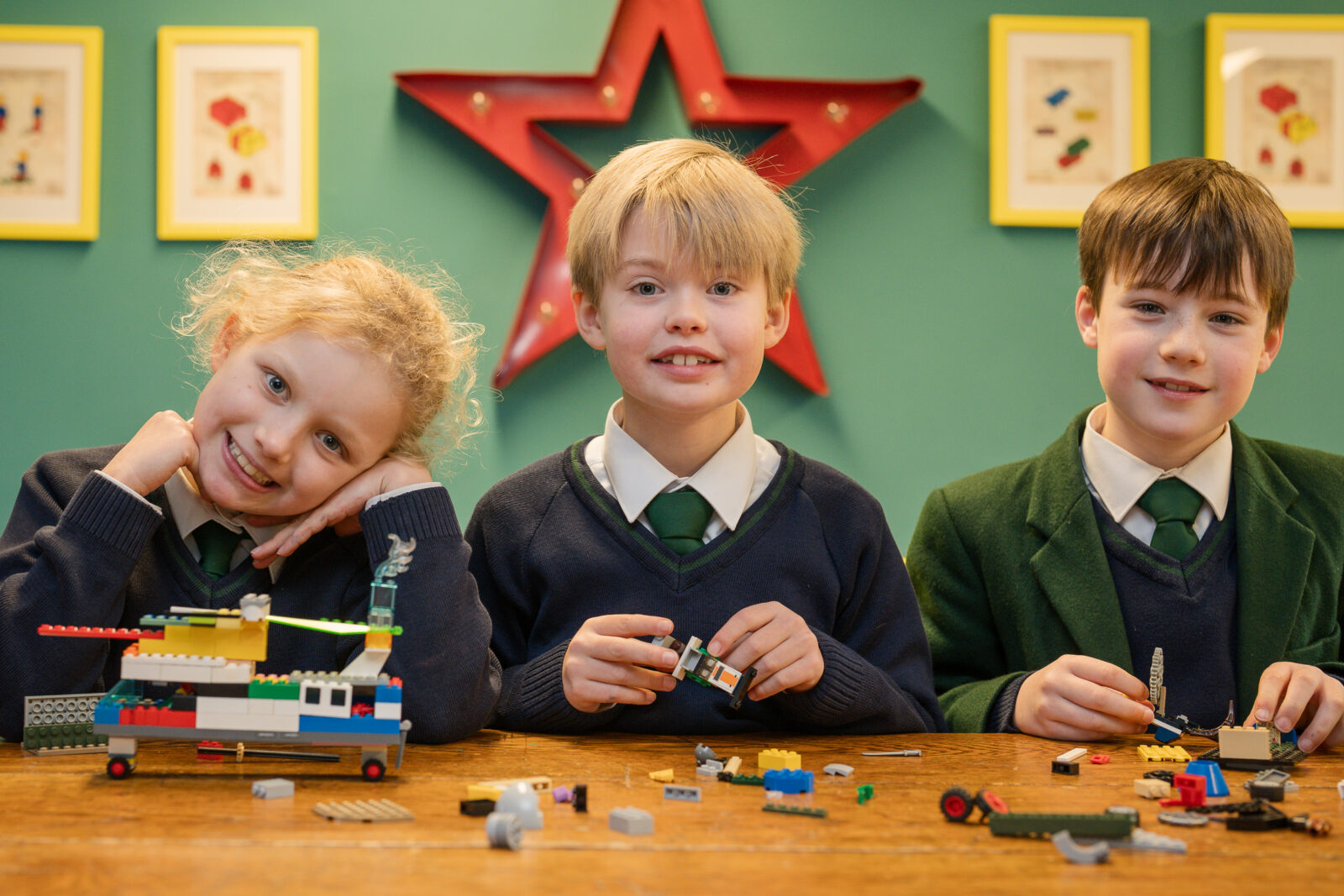
As I drifted into Half Term, I reflected on a discussion I had with a visitor to Packwood just prior to breaking up on Friday. Despite it being the wettest day of the term (remarkable feat given it hasn’t stopped raining since 6 January), she immediately fell in love with Packwood (as most visitors do, dare I say). She commented that it felt genuinely unhurried and that we were true to our word in promoting the notion of an endless childhood. She also likened us to the slow food movement, quickly reassuring me that this didn’t mean we were sluggish or complacent – “far from it”, she commented.
It was therefore serendipitous that I should open the Spring edition of the National Trust Magazine and find two articles that aligned to her observations.
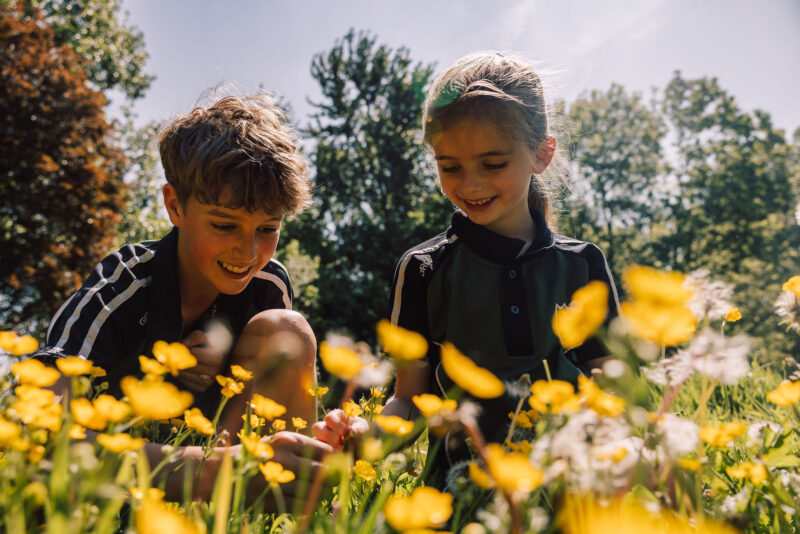
The first focused on the National Trust’s campaign to get young people outside with nature. ‘Growing up Green’ commemorates the National Trust’s 130th birthday by bringing nature back to the lives of UK citizens. The co-founder of the National Trust, Octavia Hill, believed that nature was an essential part of a full and happy life. She once said, “our lives are overcrowded, over-excited, over-strained … we all want quiet. We all want beauty … we all need space”. Her words couldn’t be more relevant today as we learn that only one in three people in the UK have access to quality green space near their home. The article puts it starkly: “for too many people, their only daily glimpse of nature might be through a screen”.
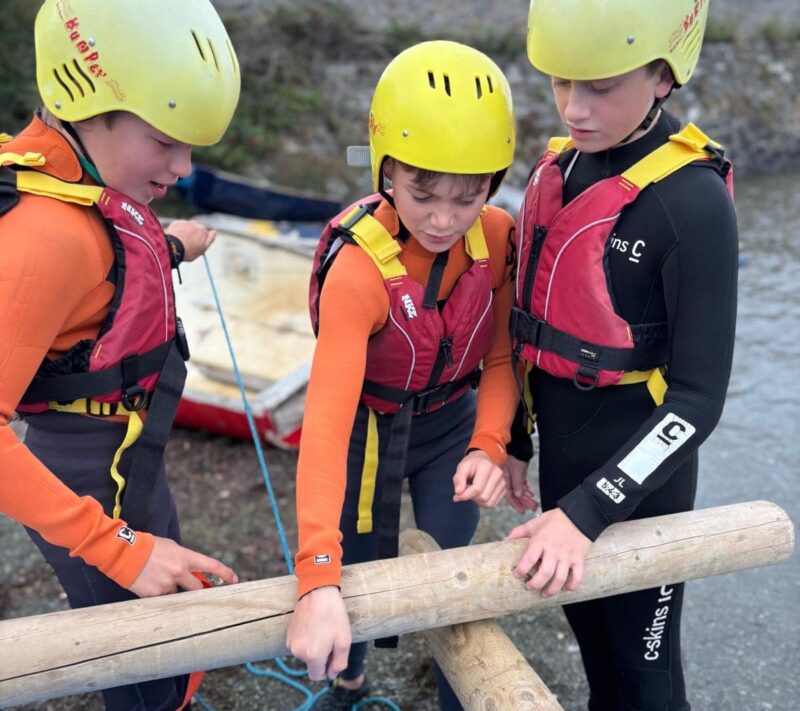
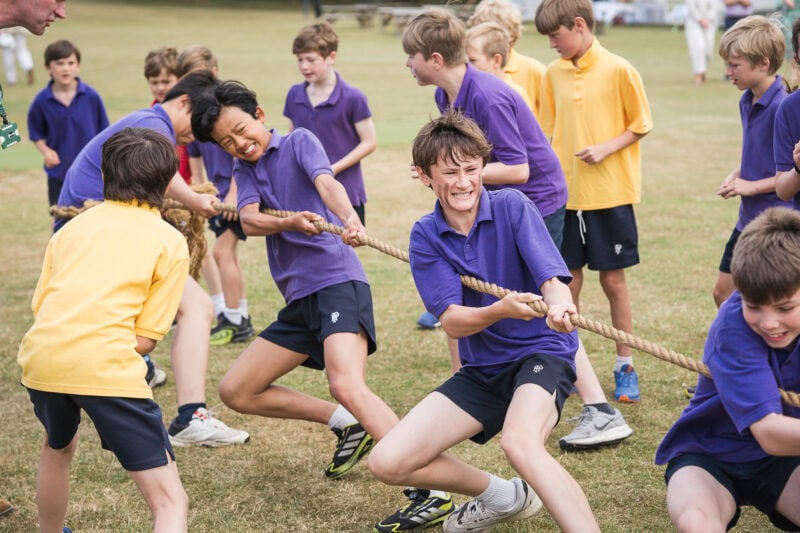
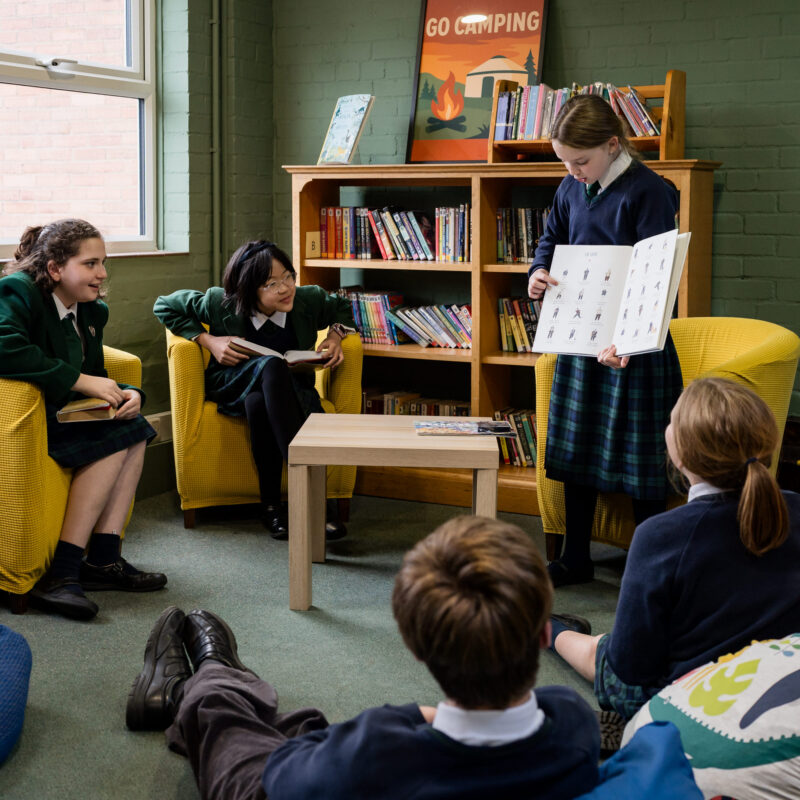
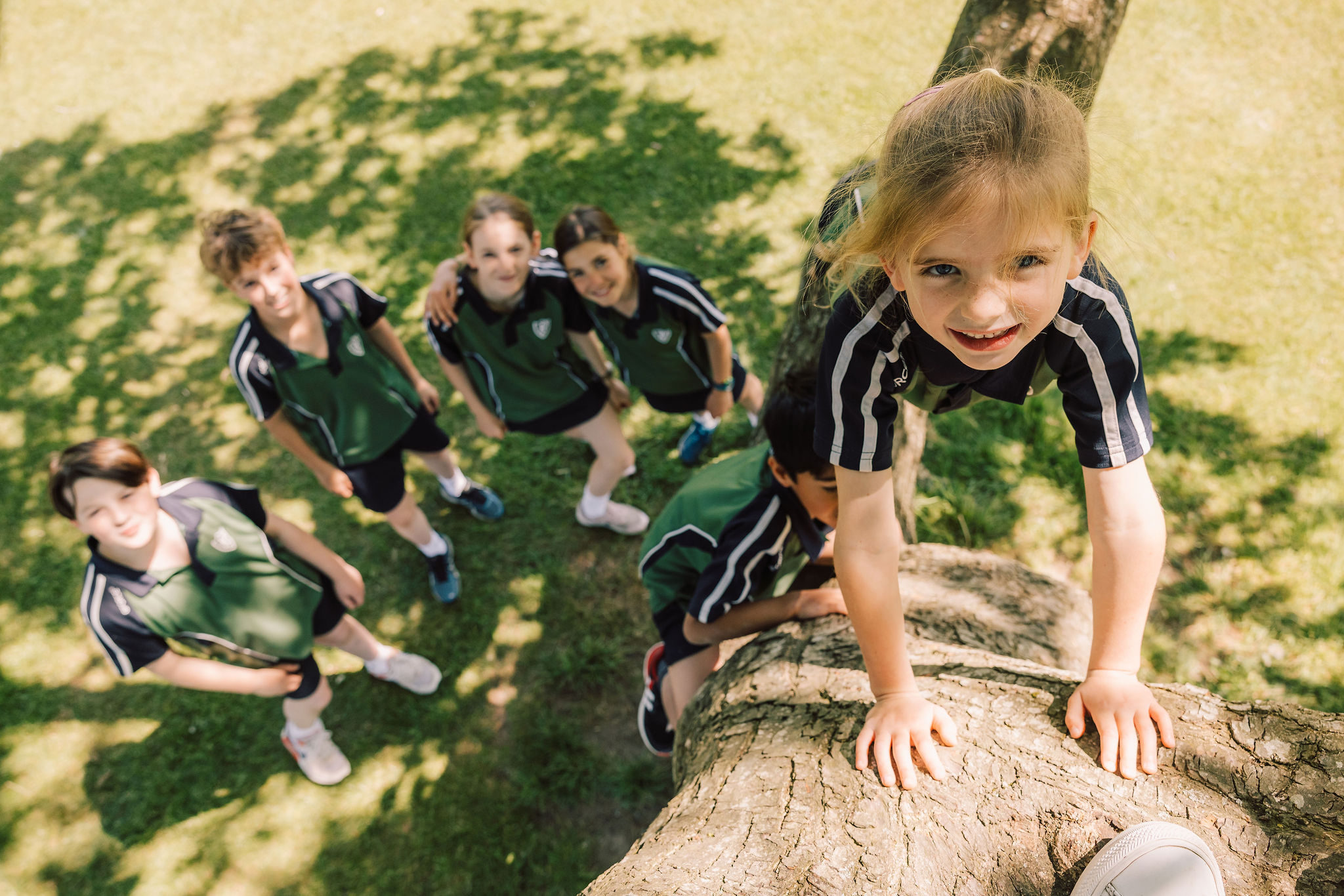
Spurred on by this article, I have spent time reflecting on what a rural education looks and feels like. I believe it offers something increasingly rare (and the statistics speak for themselves here): the luxury of time. Time to walk between lessons. Time to climb a tree. Time to reflect after failure. Time for conversations that wander and settle. I often speak about busy Packwoodians who are energised by the profound freedom that they enjoy. Perhaps it runs deeper than this. Perhaps this time surrounded by nature actually forms them, their characters, moral compass, opinions and outlook on the world.
The second article doesn’t exclusively focus on the countryside or nature. Indeed, it is more relevant perhaps in cultural hubs in our cities. Serena Smith, a freelance writer for the Guardian, believes that the average person spends just eight seconds looking at an artwork on display in a museum, gallery or exhibition. She attributes this in no small way to our “smartphone-addled brains”. Her call to action is to encourage people to spend more time looking at artwork as an antidote to what she describes as “modern overwhelm”. It reminds me of the slow food movement founded by Carlo Petrini. In 1986, aghast at the opening of a fast-food restaurant in Rome, Petrini developed a philosophy that is now recognized in over 150 countries. It is the antidote to our drive for convenience and speed, drawing us back to the nourishment from, and enjoyment of food should be deliberate, slow, and intentional. The slow food movement did act as a inspiration for slow education, albeit this never took off in the same way.
In the closing paragraph of her article, Smith bemoans our fast-paced life: “it is difficult if not impossible to stop yourself feeling spread too thin. At every turn, we’re encouraged to prioritise quantity over quality, efficiency over enrichment, convenience over consciousness, instant gratification over delayed”. Her single argument is that slowing down makes us feel more alive.
Both articles describe campaigns that, in their own way, argue for attentiveness, space and deep nurture. In a school this doesn’t mean watering down the pupil experience. Far from it, it means deeper learning, richer minds, and a far greater appreciation for excellence. This is what we lose when everything is accelerated, and this is why my visitor last week, like so many before, hit upon the true magic of a rural education.