In addition to the desperate panic in households up and down the country (including ours) to find a costume, Book Week always amplifies a familiar message – to instill and promote a love of reading in every child. It is the cornerstone of the building blocks of literacy and wider education. It was ever thus – the more parents read to toddlers before encouraging them to develop a self-regulated approach to reading, the higher the outcomes educationally and a broader outlook will be. It is, of course, an important ambition. Research doesn’t need to tell us that books open doors. In my ten years of headship, I have written ten blogs giving this same message.
This year I want to explore a different angle. The truth that teachers and parents overlook: for some children, reading is a delight. For others, my own children included, it feels like hard work and, rather than conjuring up a sense of joy that we all want to share, it leads to frustration.
This is, of course, not our preferred outcome as teachers and parents. It leads to a temptation for us to work hard at encouraging our children even more. For some, this works, for others it leads to a vicious cycle of frustration and perceived stubbornness. We risk turning reading into a task.
Having just recorded a podcast for IAPS, I want to put forward an argument that developing curiosity is actually more important than battling to get a child reading for fear they must keep up with their peers.
In his book Curious, Ian Leslie describes curiosity as “the engine of intellectual achievement.” He argues that when we are curious, our brains are primed for learning. We seek information because we genuinely want to know. A child fascinated by sharks, Roman soldiers, space travel or engines will then often willingly tackle books that help answer those questions. Even if they would never pick up a traditional storybook, diving into a book becomes a tool to engage with their curiosity, rather than the goal.
One of our podcast discussions was based around Educational psychologist Susan Engel, who has studied curiosity in classrooms. She notes that children’s natural questioning often declines when environments become overly structured or performance driven. When learning becomes something we have to do rather than something we want to explore, curiosity can quietly shrink.
The same can happen with reading. If reading becomes primarily associated with targets, tests or expectations, children who struggle will simply disengage.
If, as I passionately believe it to be, curiosity is the spark, then the role of schools and parents is to provide the tool to use books to further ignite curiosity.
Against our own better judgement, we might then need to compromise and allow our children to dive into:
- Graphic novels alongside classic fiction
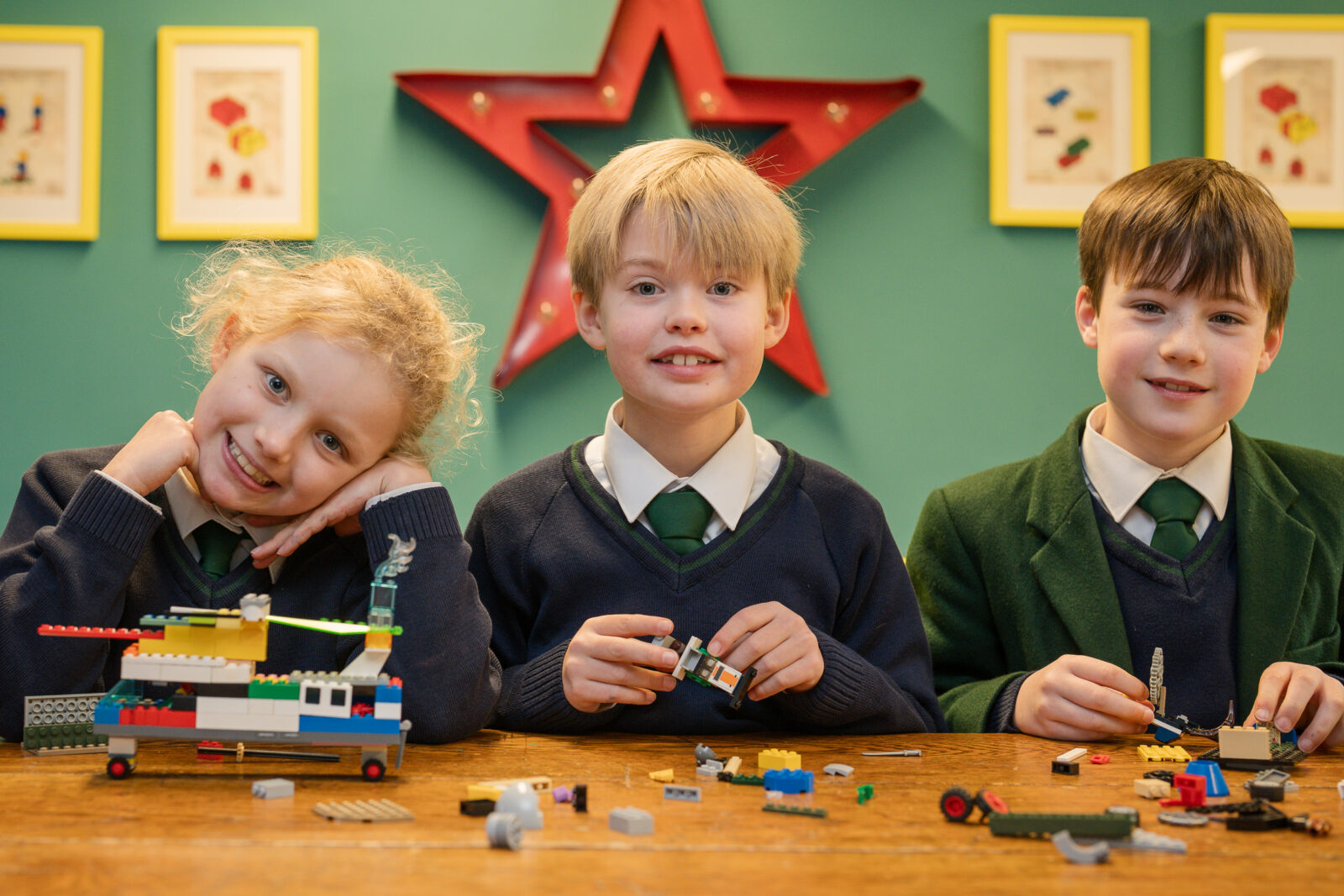
- Books about Lego engineering or mountain biking
- Wildlife guides, joke books, atlases, or Guinness World Records
- Magazines, manuals, and instruction booklets
As parents, Cat and I have had to go through this journey. For our boys their developing love (or tolerance in some cases) for books is not through age-appropriate novels, but a range of other non-fiction texts.
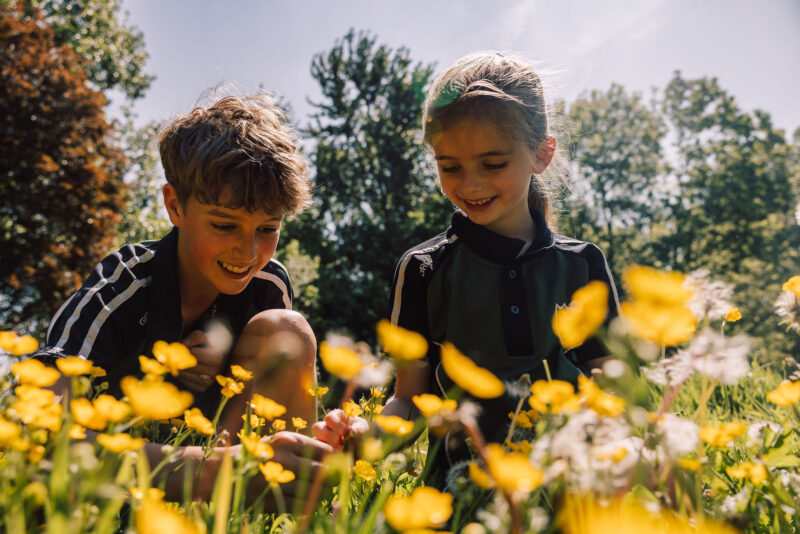
At Packwood, we often see children who struggle with reading suddenly become absorbed when the subject connects with their interests: animals, survival stories, engineering, explorers like Shackleton, or the mysteries of the natural world.
In the spirit that we must allow children to grow at different stages, there is a compelling narrative that, instead of reading, it is curiosity that leads the way into books.
Reading is not simply a habit; it is also a complex cognitive skill that develops over time.
Some children need longer to build fluency. Others must work harder at decoding words before they can enjoy stories fully. Pressing too hard too early can turn what should be a gateway to imagination into a barrier.
As we have learned, patience matters. Whilst other children of a similar age might be grappling with complex fiction, for our sons it could be a comic book today, a wildlife guide tomorrow, and perhaps a novel a year later.
Not every child immediately becomes a passionate reader when we either want them to, or as a system dictates they should. The important thing is that they remain curious about the world.
The educationalist Kurt Hahn, founder of Outward Bound and Round Square (and an educationalist that I often quote as an inspiration behind our own curriculum developments at Packwood), believed that young people possess a deep well of curiosity that schools should nurture rather than suppress. Books are one of the richest ways of doing this, but rather than force a child into this, the process is more powerful when they answer a question that already lives in the mind of the child.
So, for this blog, my steer is not to encourage all children to read more. It is, for the reticent child, to help them discover what they want to know. When curiosity takes hold, reading follows. At a child’s own pace.