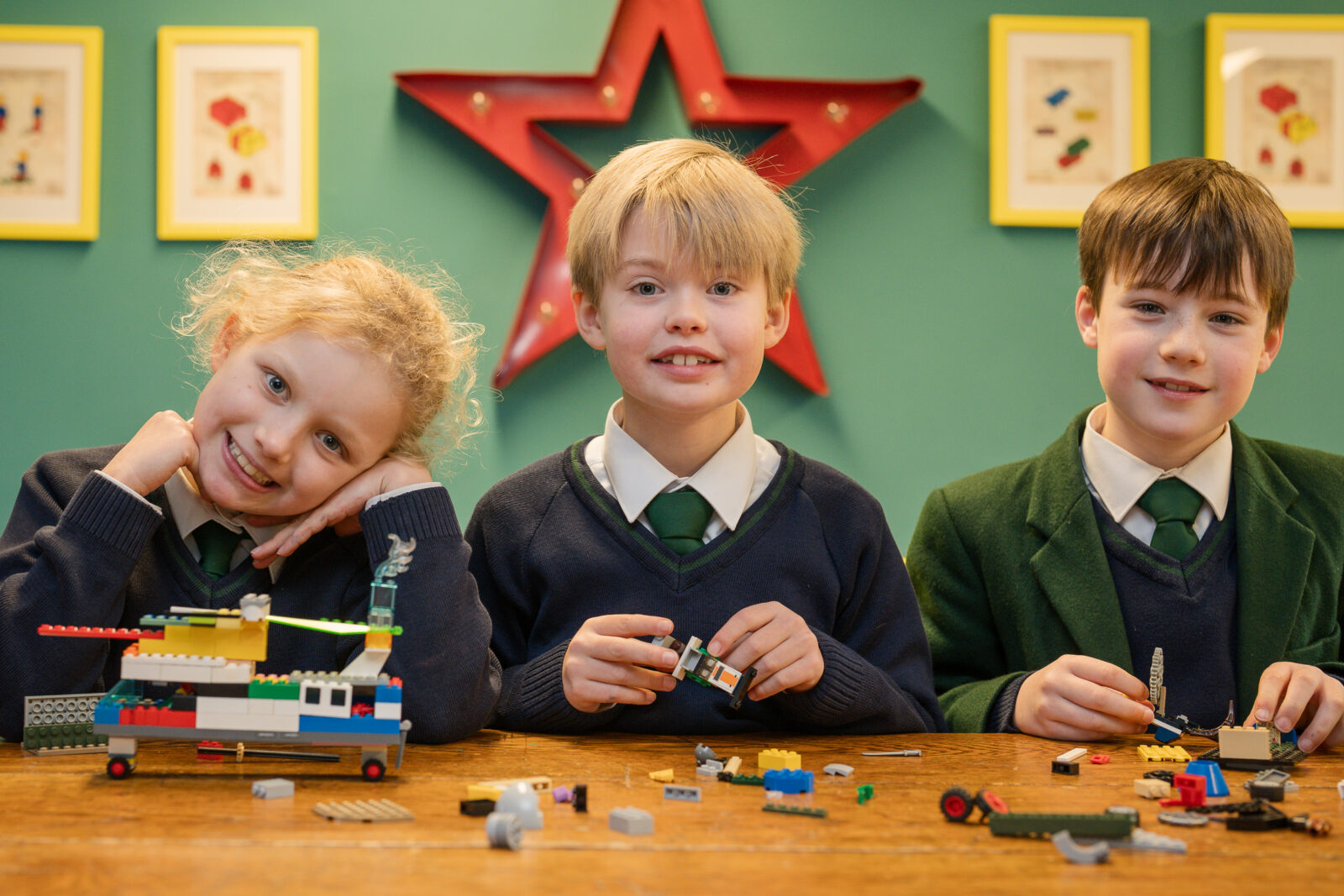
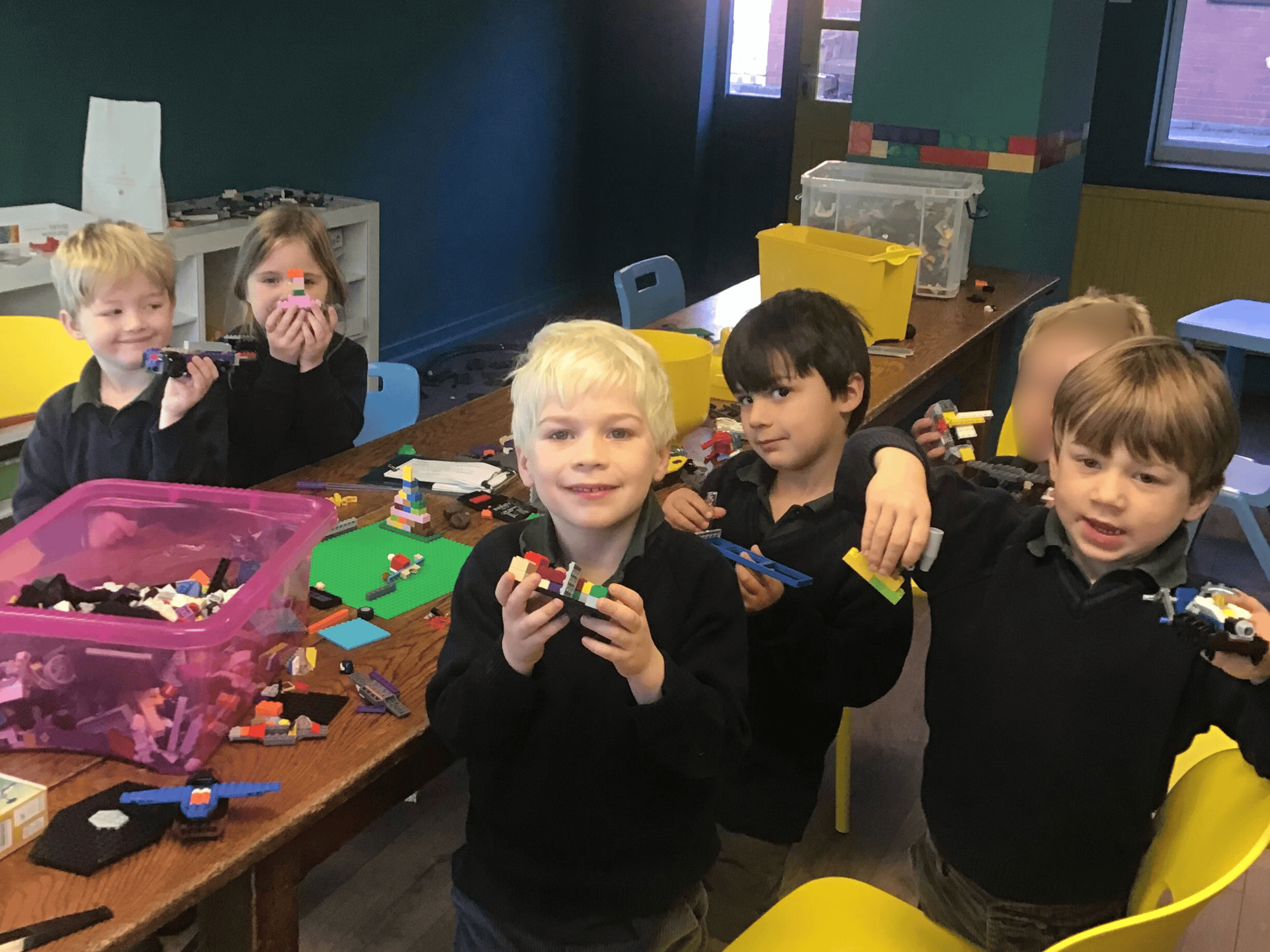
On 5 January, Lego unveiled the Smart Brick, an innovation and direction perhaps heralding the company’s biggest move since patenting their plastic brick in 1958. As an avid Lego fan, I was very skeptical, and fully bought into the Daily Telegraph’s opinion piece, published the next day brandishing the idea as a “digital gimmick”. As it felt global decision makers were waking up to the dangers of social media use in childhood, I felt it unnecessary that Lego should add to the dopamine culture of gaming and electronic toys. I debated it with our Form 7s during their iPQ lessons, and found they presented a more balanced view, and I duly tore up my ‘strongly worded’ letter to the editor of The Times, and ran with their assessment that this was actually Lego amplifying the power of play into a child’s hands at a time when AI embodies their whole world. I took note and am now more reassured that Lego is successfully reinventing itself without losing sight of its vision or founding purpose.
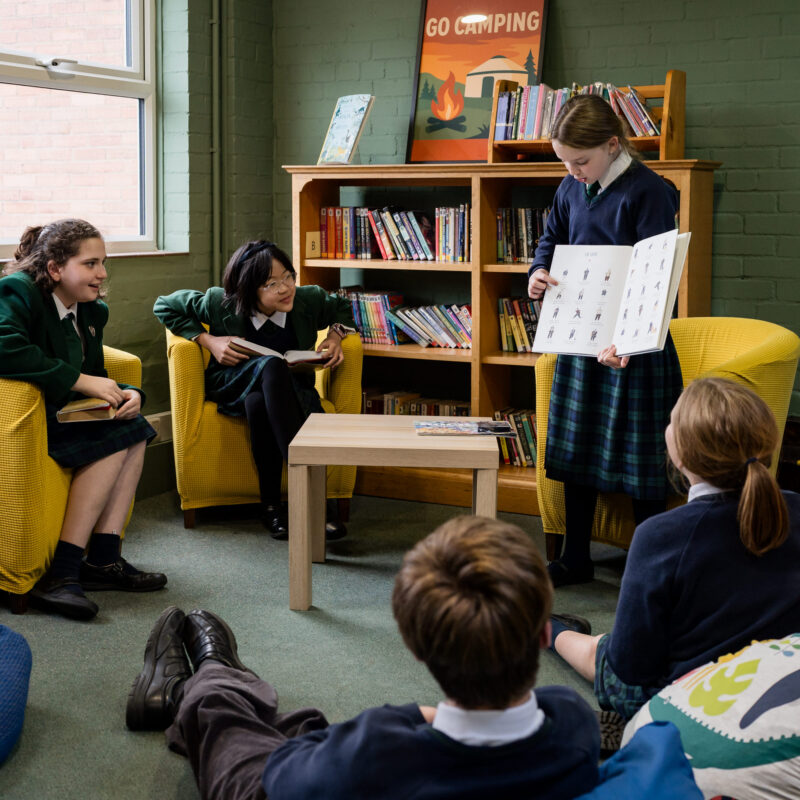
During our inspection this week, we have been challenged to articulate how our approach here to ‘a childhood that is both nurturing and contemporary’ (our vision) impacts our Packwoodians, and more specifically, to what extent our curriculum and approaches to teaching and learning prepares them for the future. In discussions with the Reporting (lead) Inspector, I found myself questioning whether an unintended consequence of our vision is a conflict between innovation and childhood. The LEGO Smart Brick reminded me of something important: innovation does not have to abandon childhood. When done well, it can deepen it.
At its best, technology should amplify human creativity, not replace it. It should enhance imagination, not dull it. LEGO’s genius has always been its respect for the hands – the physical act of making, rebuilding, failing, adapting and trying again. Even in this new iteration, the core philosophy remains intact: learning through play.
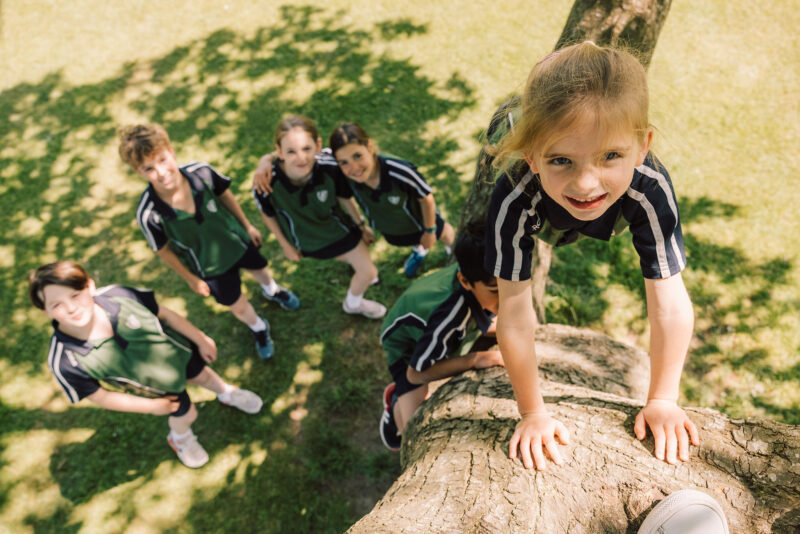
At Packwood, this notion of active creation aligns brilliantly with our Big Tree Attributes, another feature of discussions with the inspection team this week. Imagination flourishes when children are free to explore ideas without fear of getting them wrong. Excellence is achieved through persistence – building, collapsing, and rebuilding again. Put another way, as the architect of our pedagogical approach, Understanding by Design, Grant Wiggins would say, to “learn, unlearn and relearn”.
This is why Packwood believes in hands-on learning, and why for us making will always matter more than scrolling.
Spurred on by my Form 7s optimism, I now subscribe to the notion that LEGO’s greatest achievement with the Smart Brick is not technological at all. It is philosophical, demonstrating that reinvention does not require abandoning roots. As our children’s thoughts and ideas will increasingly be funneled through AI, Lego appears to have played a masterstroke – enabling play and originality of thought to be preserved.
Due to the inspection, I missed International Lego Day, celebrated on Wednesday. I shall, however, this evening raise a glass to how I hope the inspectors saw our approach to childhood: celebrating creativity, imagination and innovation, whilst living out a rustic, rural childhood. And of course, the joy of building LEGO.