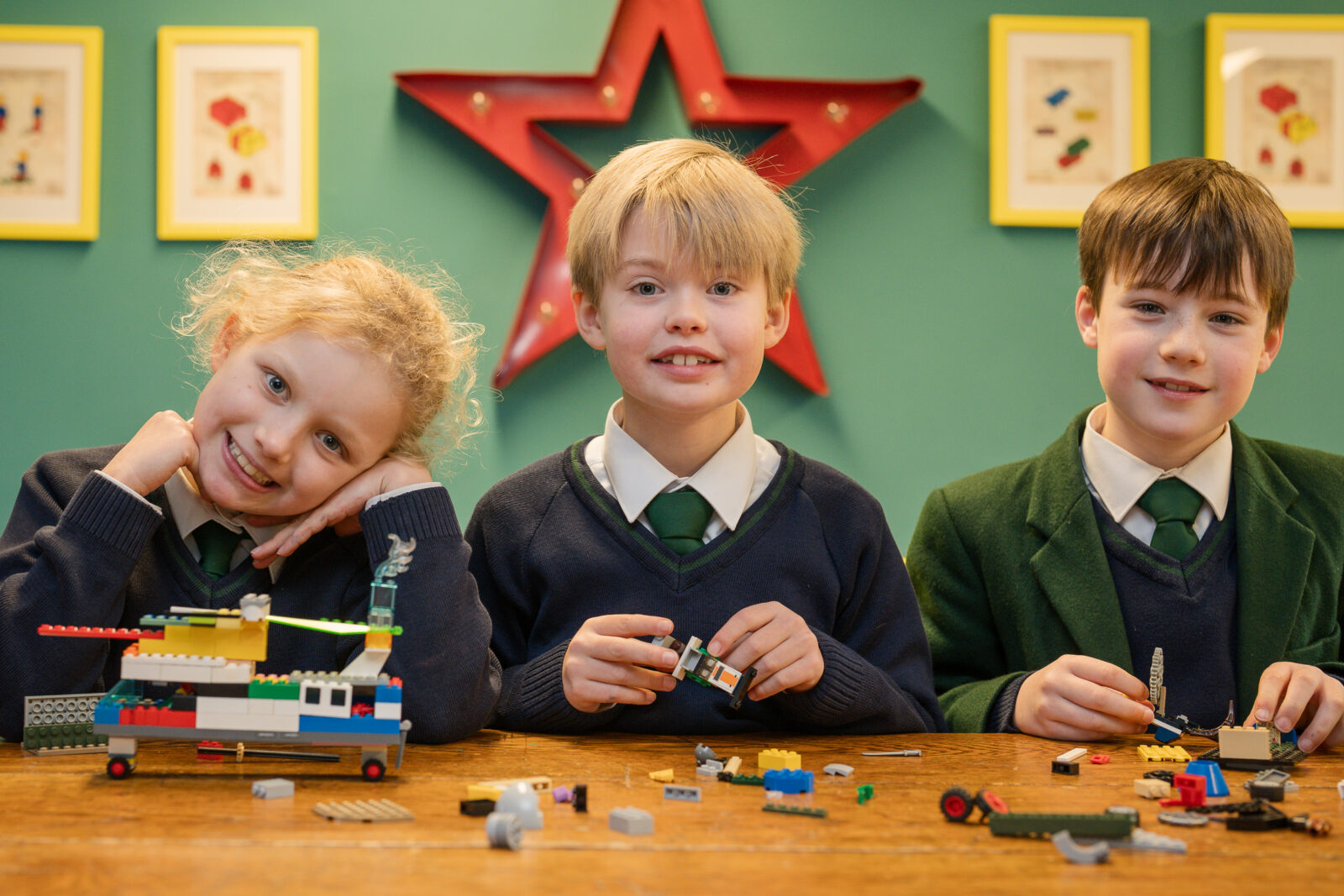
Probably not the learning objective from a Tuesday morning maths lesson in Form 5. Perhaps not the result of a spelling test, or even, eventually, the grade achieved in an examination. These are all important and form the cornerstone to the success of a child’s education. Yet, as IAPS CEO Emilie Darwin reminded us in her opening address at the Head’s conference which I attended last week, long after pupils have forgotten individual lessons, they will remember how their prep school formed their character and values and, perhaps most importantly, how it made them feel. Children remember people and places. They remember friendships. They remember the teacher who believed in them. And they remember experiences that shape their character: the night they slept under canvas, the morning they swam in a cold sea, the raft that sank, the meal cooked together, and the conversation that continued long after the organised activities had finished.
On the final morning of conference, a penal comprising the Chair of the Foundation for Educational Development, Dr. Carl Ward, and Steve Chalke, founded of Oasis, tried to give justice to one of the oldest questions around schooling – what is education really for? Three answers were given: to prepare people for work, to find meaning, and to build healthy and flourishing communities.
Of course, academic achievement matters enormously. This, and the wider component within the co-curriculum that schools like Packwood prioritise enable these three answers to grow and develop. We should be ambitious for our children and expect them to work hard. However, some parts of growing up cannot be taught particularly effectively from behind a desk.
It is one reason why I believe so strongly in residential trips.
How do you teach a child to cope when they are tired and wet? To share a room with someone who isn’t their closest friend? To notice that somebody else is struggling? To pack their own bag, solve a problem without immediately finding an adult, lose graciously, keep going, or simply make their own fun?
This aligns with our vision at Packwood to promote a busy, unhurried childhood.
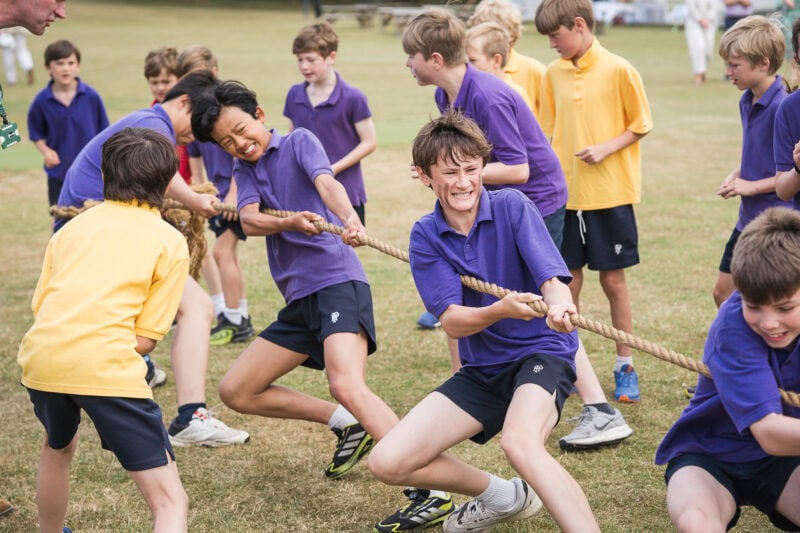
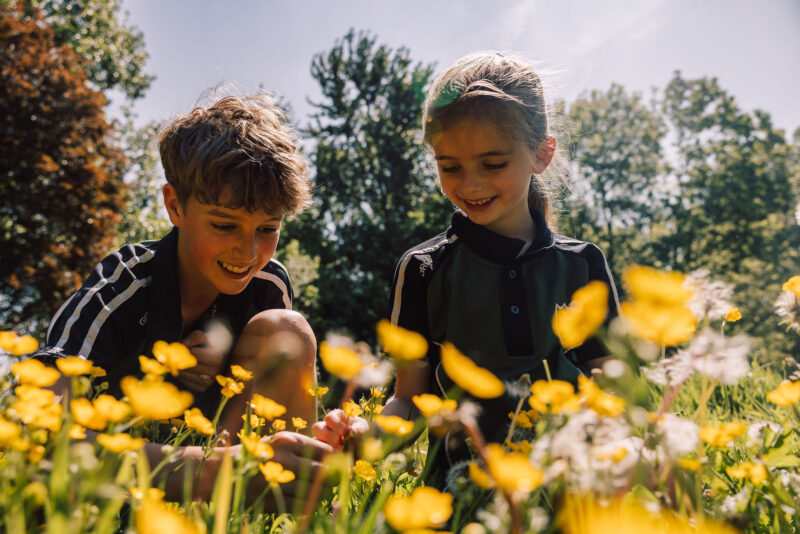
Unhurried does not mean inactive. Quite the opposite. Childhood should be gloriously full: of people, places, mud, games, conversation, challenge, laughter, disappointment and discovery. The distinction is that not every minute needs an adult-designed outcome.
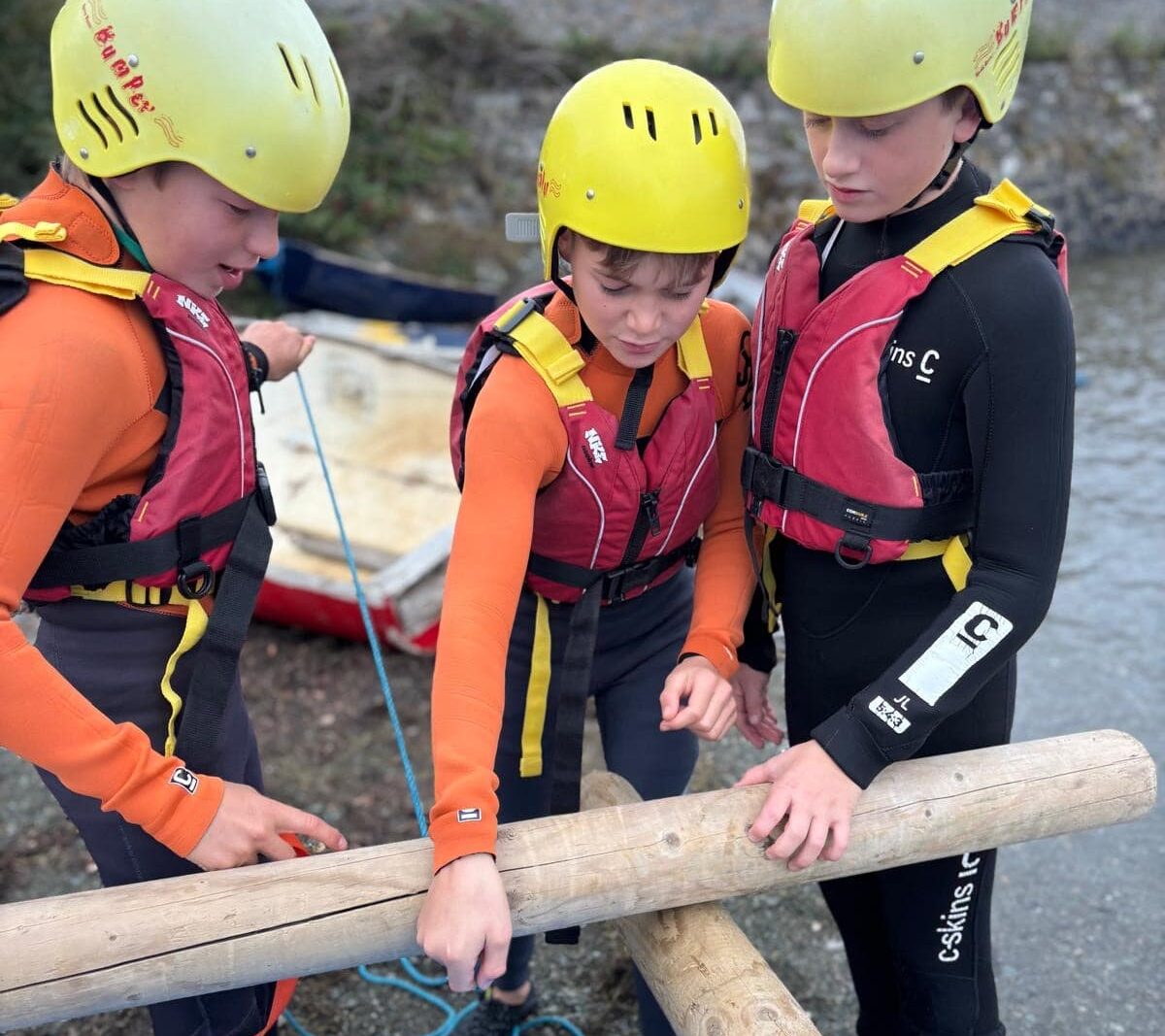
Our recent Form 8 Leadership Retreat in Anglesey was certainly busy. There was raft building, orienteering, swimming and leadership work. Yet, as I have written about already this term, some of my favourite moments came between those activities: games of UNO and Dobble, playing cards, conversations in the yurt and twice-daily swims in the sea. Nobody needed to manufacture those moments. The children were simply together.
That wasn’t time away from their education. It was part of their education.
Another conference speaker, Omar Sherif, once an inner-London gang member, talked about how growth and comfort rarely coexist. Now an influential speaker and coach, he encouraged us not remove every difficulty from childhood. Instead, he spoke of our role in providing children with carefully judged opportunities to step beyond what feels comfortable and discover that they can cope.
This thinking lies behind our development of The Packwood Adventure: a purposeful and progressive residential journey through the school.
BEGIN. BELONG. EXPLORE. CHALLENGE. DISCOVER. LEAD.
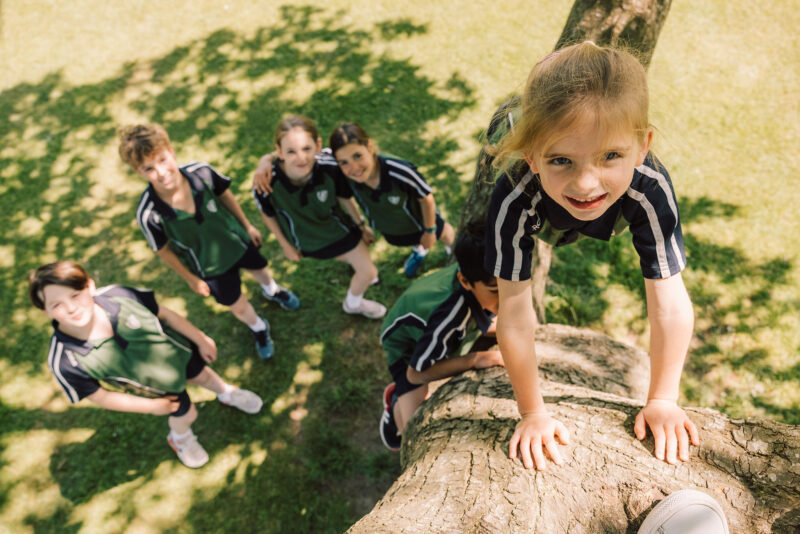
In Form 3, adventure begins on familiar territory with bushcraft at Packwood. In Form 4 comes that significant first night away. Form 5 travels further and stays longer. By Form 6, the physical and personal challenge increases. Form 7 broadens horizons through travel and cultural discovery.
By Form 8, the question begins to change from “Can I look after myself?” to “Can I help look after others?” As Omar reflected, we are bringing up these young people to create ripples of influence around them.
Their year begins with our Leadership Retreat in Anglesey. Throughout Form 8, they increasingly lead and serve within the Packwood community. Their final residential adventure then becomes a culmination of everything that has gone before: greater independence, responsibility, friendship and leadership.
There is something else I like about this progression. With every year, the nights become a little longer, the horizons a little wider and the challenges a little greater. And, very deliberately, the adults become a little less necessary.
Because independence is not something we suddenly hand a child at thirteen. It is something we lend them, little by little, as I demonstrated with the spring at the start of term presentation to parents.
Eventually, after six years of beginnings, belonging, exploring, challenge, discovery and leadership, there is only one stage of The Packwood Adventure remaining:
JOURNEY ON. A hike, camp and kayak from the familiarity of their Prep School to the Shrewsbury School Boat House. A symbolic progression from one stage to the next.
Perhaps that is ultimately what these precious prep-school years are for: not simply preparing children for their next school, but giving them a childhood rich enough in experiences, relationships and challenges that they gradually discover who they are, how they should treat others and what they are capable of.
Those are the lessons I hope they remember.